


Pompeii is one of the most fascinating archaeological sites of antiquity. Buried and preserved by the ashes of Mount Vesuvius, the city offers a unique insight into everyday Roman life. With new excavations and restored areas, a visit is now more exciting than ever. Let our latest images inspire you and join us in rediscovering the captivating story of Pompeii!


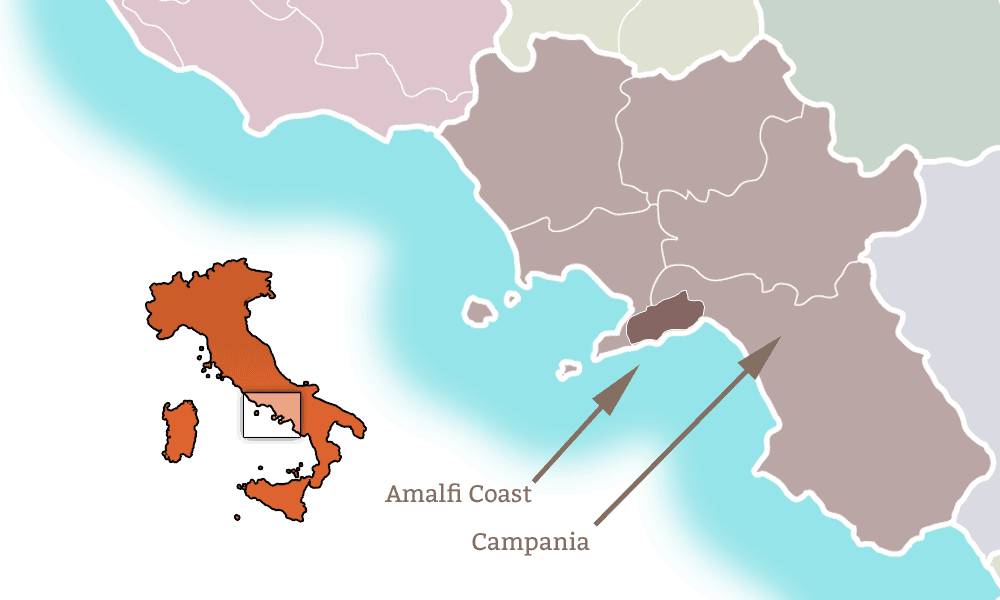
The Best Places to Visit in Campania and Amalfi Coast
Pompeii – The Eternal City at the Foot of Mount Vesuvius
Life Before the Eruption
Pompeii was founded in the 6th century BC and flourished under Roman rule. Paved streets, a sophisticated water system, and a rich cultural life with theatres, baths, temples, and lavish villas characterized the city.
The Eruption of Vesuvius
In 79 AD, a massive eruption of Mount Vesuvius overwhelmed the city. Ash, hot gases, and volcanic rocks destroyed Pompeii within hours. Many died in their homes or while fleeing. The letters of Pliny the Younger remain the most valuable historical account of the event.
Rediscovery and Excavation
Pompeii has been excavated since the 18th century. Today, about two-thirds of the city is uncovered. Recent discoveries such as the beautifully restored “House of Leda and the Swan” or the “Thermopolia” (ancient snack bars) provide intimate glimpses into daily life.
Pompeii Today
Pompeii today is a vibrant open-air museum. Visitors walk Roman streets, admire mosaics and frescoes, and witness the tragic fate of the city firsthand. New technologies like VR tours and interactive exhibits bring history vividly to life.
Streets and Infrastructure in Ancient Pompeii
The streets of Pompeii are a remarkable example of Roman urban planning and engineering. Even in ancient times, they were paved and equipped with elevated sidewalks to separate pedestrians from cart traffic. To cross from one side to the other – especially in wet weather or after the streets were cleaned – large stepping stones were installed. These were level with the sidewalks and spaced in a way that allowed wagon wheels to pass between them.
The streets were slightly arched in the middle, allowing rainwater to flow into drainage channels on both sides – a simple yet effective drainage system. Particularly impressive are the deep, polished ruts worn into the stone by the iron-clad wheels of countless carts over time, a visible legacy of Pompeii’s once-thriving traffic.
Pompeii was a lively, well-organized city – and its street layout still tells that story today.
Highlights of Pompeii
- The Forum – the city’s central square with temples, administrative buildings, and market halls.
- The Amphitheater – the oldest known surviving Roman amphitheater, once filled with the roar of gladiator battles.
- The Baths – several bathhouses with beautiful mosaics and ancient heating systems.
- The Villa of the Mysteries – famous for its stunning frescoes depicting enigmatic ritual scenes.
- Bakeries and Taverns – with original counters, ovens, and grinding stones still in place.
- The Lupanar – the city’s brothel, featuring explicit frescoes offering a glimpse into ancient daily life.
Today: Ancient Excavations Meet Modern City
Today, Pompeii consists of two distinct areas: the modern town of Pompei and the ancient archaeological site, the Scavi di Pompei. While the town offers vibrant squares, restaurants, hotels, and the renowned Sanctuary of the Madonna of the Rosary, the ancient city is a vast open-air museum. The Scavi are among the most impressive Roman remains in the world and draw millions of visitors each year.
Exploring the ruins can take several hours – sturdy shoes, water, and sun protection are highly recommended. Guided tours or audioguides help bring the ancient stones to life.
Travel Tips and Tours for Pompeii
Tailor-Made Travel Packages
Browse our travel packages or send us a personal inquiry to receive your very own customized travel package. We are on-site in Italy and are familiar with the local area. Our travel packages include beautiful accommodations (hotel or vacation rental), as well as guided tours and tickets. You can also combine the trip with an excursion to Capri, Naples, Sorrento , and the Amalfi Coast. If you only want to book a guided tour, you can do so online: guided tours with tickets to the open-air museum and visits of the Vesuvius
How to Get to Pompeii
Pompeii is easily accessible:
- By train: The Circumvesuviana line runs between Naples and Sorrento. The stop Pompei Scavi – Villa dei Misteri is just steps from the entrance to the site.
- By car: Take the A3 highway (exit Pompei Ovest). There are multiple parking options nearby.
- By tour: Day trips are offered from Naples, Sorrento, or even Rome.
Tickets and Tours for Pompeii
Please find here guided tours with tickets to the open-air museum and visits of the Vesuvius
Official Website of Pompeii: https://pompeiisites.org/
Our Recommendation
A visit to Pompeii is rewarding any time of year, especially when combined with a guided tour or a trip to nearby Mount Vesuvius. Let yourself be touched by the past and enjoy the modern hospitality of Campania.